
There’s nothing worse than planning a wonderful trip and then having health issues spoil it. We don’t realise how many health risks there are when we travel, from jet lag to food poisoning, new bacteria we’ve never met before, to climates we’re not adjusted to. Staying healthy on holiday requires knowledge and planning.
Nearly all travel health issues are preventable. Follow this guide and never have a bad holiday again.
1. Plan Ahead: Health Starts Before You Leave
Research Your Destination: Before you pack your bags, take time to learn about your destination.
- Health risks: Visit the Fit For Travel (NHS) or WHO websites for health alerts, required vaccinations, and disease outbreaks.
- Healthcare infrastructure: Know where the nearest hospitals or clinics are located.
- Water and food safety: Understand what’s safe to eat and drink locally.
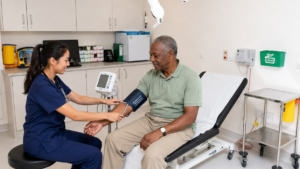
Visit a Travel Health Clinic: If you’re travelling internationally, particularly to developing countries, schedule a pre-travel health consultation at least 4–6 weeks in advance. You may need:
- Vaccinations (e.g., Yellow Fever, Typhoid, Hepatitis A/B, Rabies).
- Malaria medication, if travelling to at-risk regions.
- Prescription refills: Bring enough for the entire trip, plus extra in case of delays.
Bring a copy of your prescriptions and consider getting them translated into the local language if needed, in case you mislay your medication.
2. Pack a Travel Health Kit
A well-stocked travel health kit can help you manage minor issues and prevent bigger problems. Essentials include:
Medications
- Personal prescriptions (in original containers)
- Over-the-counter meds: pain relievers, antihistamines, sting-relief cream, anti-diarrheal medicine, motion sickness tablets
- Antacids and laxatives (dietary changes can cause digestive issues)
- Antibiotics (if prescribed for traveller’s diarrhoea or other conditions)
First Aid Supplies
- Band-aids, gauze, antiseptic wipes
- Tweezers, nail clippers, small scissors (in checked luggage)
- Tick-removal tool if travelling in nature
- Blister plasters (especially for walking-heavy trips)
Other Health Items
- Sunscreen and lip balm with SPF
- Insect repellent (at least 20–30% DEET or picaridin)
- Hand sanitiser and antibacterial wipes
- Water purification tablets or a portable filter if clean water is a concern
- Face masks (still useful in crowded or polluted areas) – FFP2 is the right level of protection
3. Eat and Drink Safely
Food and waterborne illnesses are among the most common travel ailments, especially in areas with poor sanitation.
General Tips:
- Boil it, cook it, peel it, or forget it: Avoid raw or undercooked foods.
- Bottled water only: Even ice cubes or brushing teeth with tap water can be risky in some countries.
- Avoid street food unless it’s hot, fresh, and prepared in front of you.
- Wash fruits and vegetables thoroughly with bottled water.
- Avoid salads prepared anywhere. They will be washed in tap water.
Consider Probiotics
Taking probiotics before and during your trip may help support digestive health and reduce the risk of traveller’s diarrhoea.
4. Stay Hydrated & Rested
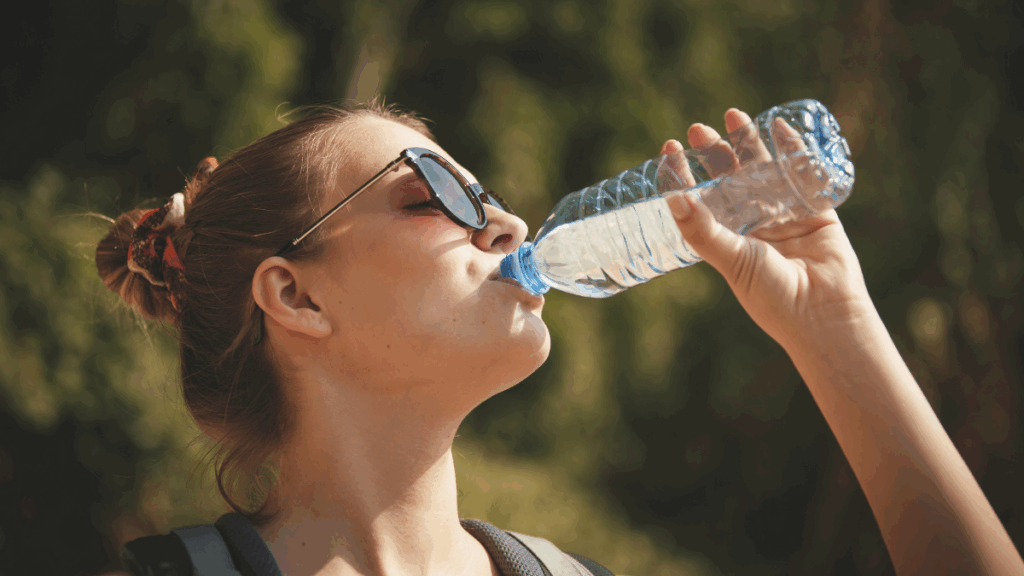
Travel can easily dehydrate you, especially during long flights, in hot climates, or at high altitudes. Dehydration is one of the most common causes of sickness when on holiday.
Tips:
- Drink plenty of water: Bring a reusable bottle and refill often.
- Avoid excessive alcohol and caffeine, especially during flights they’re dehydrating.
- Eat water-rich foods like fruits and vegetables.
- Listen to your body: Fatigue is a sign to slow down.
Getting enough sleep is also crucial. Travel often disrupts your circadian rhythm, especially when crossing time zones. Practice good sleep hygiene by:
- Avoiding screens before bed.
- Using an eye mask and earplugs if your accommodations are noisy or bright.
- Gradually adjusting your sleep schedule before travelling to minimise jet lag.
5. Move Often, Especially When Flying
Long flights can increase your risk of deep vein thrombosis (DVT), a potentially serious condition where blood clots form in the legs.
Preventive Measures:
- Get up and walk every 1–2 hours on long flights.
- Do calf stretches and ankle rolls in your seat.
- Wear compression socks to improve circulation.
- Stay hydrated and avoid alcohol.
6. Practice Good Hygiene
Illnesses like colds, flu, and stomach bugs are easily spread while travelling. Basic hygiene goes a long way.
Tips:
- Wash your hands frequently with soap and water.
- Use hand sanitiser when soap isn’t available.
- Avoid touching your face, especially the eyes, nose, and mouth.
- Clean high-touch surfaces in airplanes or hotel rooms (tray tables, remote controls, doorknobs).
7. Protect Against Insects
Insect bites are not just annoying; they can transmit diseases such as malaria, dengue, Zika, and chikungunya. In the case of ticks, Lyme disease is a real risk.
Protection Tips:
- Use insect repellent on exposed skin and clothing.
- Wear long sleeves and pants, especially at dawn and dusk.
- Sleep under mosquito nets in areas where malaria or other mosquito-borne illnesses are prevalent.
- Stay in accommodations with air conditioning or screened windows.
- Check immediately after being outdoors for any ticks that might be attached. The sooner you remove them, the lower the risk of Lyme disease.
8. Respect the Climate & Environment
Weather-related illnesses are common when your body isn’t used to the climate. Going against what you see the locals doing during the day probably isn’t wise. If you see the locals disappear in the mid-afternoon? They probably know what they’re doing!
Hot Climates:
- Avoid strenuous activities during the hottest part of the day.
- Wear breathable, light-coloured clothing.
- Use sunblock and wear a wide-brimmed hat and sunglasses.
Cold Climates:
- Dress in layers and keep extremities covered.
- Keep hydrated and fuelled. Your body burns more energy in cold weather.
Altitude:
- Acclimatise gradually to avoid altitude sickness.
- Stay well-hydrated and avoid alcohol.
- Consider medications like acetazolamide if going above 8,000 feet (ask your doctor).
9. Travel Insurance and Emergency Prep
Before departure, purchase comprehensive travel insurance that covers:
- Medical emergencies and hospital stays
- Emergency evacuation and repatriation
- Trip cancellations due to illness
Keep digital and paper copies of:
- Your insurance policy and contact numbers
- Passport and visa
- Emergency contact and medical information (e.g., allergies, chronic conditions)
Learn basic local emergency numbers and how to say key health phrases in the local language.
10. Mental Health & Wellbeing
Don’t overlook your mental health while travelling.
- Pace yourself: Avoid over-scheduling your itinerary.
- Take quiet moments to reflect or rest.
- Stay in touch with loved ones for emotional support.
- Bring comfort items like books, music, or journals.
- If travelling solo, join group tours occasionally to combat loneliness.
These tips can be the difference between a holiday you talk about for years for all the right reasons, or a nightmare of gastric issues, itchiness and headaches. It’s so worth getting prepared and spending a bit more time to know that you are ready for nearly any eventuality.
Be a holiday hero!