How to Book a Same-Day Private GP Appointment in London
It’s common to need a GP appointment at short notice. Health concerns don’t always follow a schedule, and symptoms can
Dermatology > Hair Loss Program
Hair loss, or alopecia, is a common condition that can affect the scalp or body. It may appear gradually or suddenly and can range from mild thinning to significant patchiness or complete loss of hair.
Hair loss can be caused by genetic factors, hormonal changes, stress, or underlying medical conditions. Identifying the type and cause is essential for selecting the most effective treatment approach.
Hair loss can present in different ways, and recognising the early signs can help in managing it effectively. One of the most common patterns is gradual thinning on the top of the head, often starting near the crown or along the hairline. This type of hair loss may be subtle at first, making it easy to overlook.
Some people experience circular or patchy bald spots, which can appear suddenly and may be accompanied by itchiness, tingling, or mild discomfort in the affected areas. These patches are often a sign of autoimmune-related hair loss, such as alopecia areata.
In other cases, sudden or excessive hair shedding can occur, typically following periods of physical or emotional stress, illness, or hormonal changes. This shedding may be temporary, but it can feel alarming when large amounts of hair are lost at once.
Certain types of alopecia can also cause overall thinning across the entire scalp or even the body, leading to a more diffuse pattern of hair loss rather than isolated patches. Additional signs may include changes in hair texture, increased breakage, or slower regrowth in previously healthy areas. Being aware of these signs early allows for timely intervention, which can improve the chances of slowing or reversing hair loss.
Hair loss can be influenced by a wide range of factors, and identifying the underlying cause is important for effective management. Genetic predisposition is one of the most common contributors, particularly in cases of male or female pattern baldness. In these instances, hair follicles gradually shrink over time, leading to predictable patterns of thinning and receding hairlines.
Hormonal changes can also play a significant role. Events such as pregnancy, childbirth, menopause, or thyroid imbalances can disrupt the normal hair growth cycle, often resulting in temporary or sometimes longer-lasting hair thinning. Hormonal fluctuations associated with polycystic ovary syndrome (PCOS) or other endocrine disorders may similarly impact hair density.
Certain illnesses, medications, or nutritional deficiencies may contribute to hair loss. Chronic conditions, autoimmune disorders, chemotherapy, or medications that affect hormone levels can trigger shedding. Deficiencies in nutrients like iron, vitamin D, or protein may weaken hair follicles and reduce overall hair strength.
Stress, both physical and emotional, is another well-recognised trigger. Major life events, surgery, illness, or prolonged psychological stress can push hair follicles into a resting phase, causing noticeable shedding weeks or months later. In many cases, this type of hair loss is temporary, but repeated or prolonged stress can exacerbate thinning over time.
Understanding the combination of genetic, hormonal, medical, and lifestyle factors that influence hair loss can help guide appropriate treatments and preventative strategies.
At our clinics, you will be treated by doctors with training in the United Kingdom or extensive UK-based medical experience. Our goal is to address both the visible symptoms and the underlying factors behind your hair loss.
Treatments may include topical solutions designed to stimulate follicles, oral medication to slow down hair thinning, and targeted therapies to encourage regrowth.
We also focus on lifestyle guidance nutrition, stress management, and scalp care to ensure long-term improvement and support overall hair health.
Managing hair loss often requires a combined strategy. We will work with you to create a personalised care plan that may include:
Use our online booking engine or book your appointment by giving us a call.
On the online booking engine select the “appointment type” you need.
You will be seen by one of our friendly doctors or trained clinicians.

Make note of when your hair loss began, any changes in your health, and your family history of thinning hair. List all medications or supplements currently taken. It may be helpful to bring details of your hair-care products and any recent stressful events.

Describe the pattern, duration, and progression of your hair loss. Mention any associated symptoms such as itching or shedding. The doctor may examine your scalp and may recommend blood tests or trichoscopy to determine the underlying cause.

Follow the recommended treatment plan and apply any topical or oral medication as directed. Make suggested lifestyle changes where possible. Monitor progress and return for follow-up appointments to assess improvement.
Incorporated
in 1998
Experienced doctors & a professional team
Registration
not needed
Up-to-date with the latest treatments & testing
Strictly
confidential
Experienced doctors & a professional team
Affordable private
health care
Transparent fee structure with no hidden charges
• Extended consultation and treatment plan
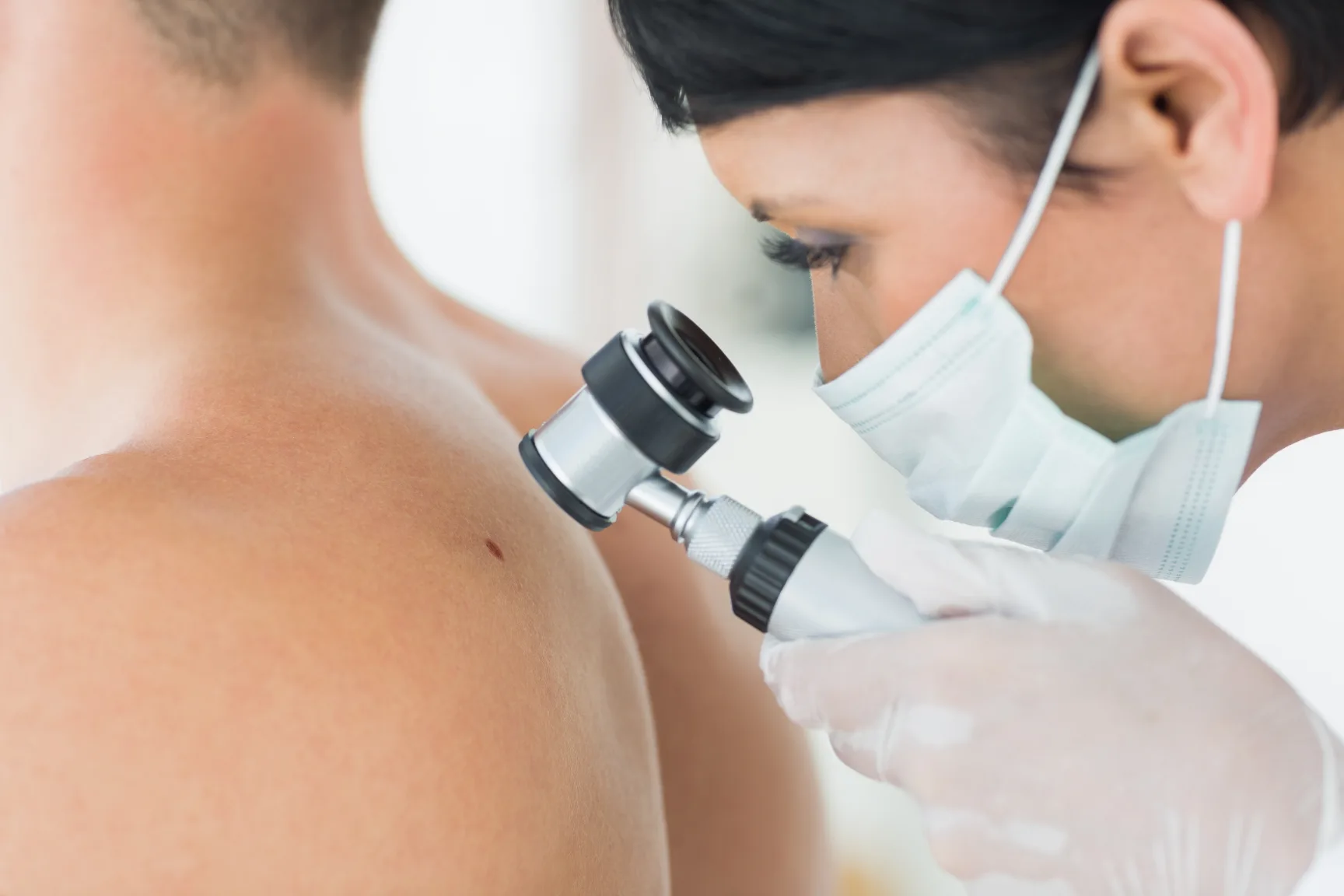
• Dermoscopic scalp and follicle examination
• Platinum blood profile including vitamin deficiencies, thyroid function, iron profile & more
• Full hormone screen
• Zinc level
• Magnesium level
• 1-Month follow-up
• 3-Month follow-up
• 6-Month follow-up
We work with experienced consultants & healthcare professionals who have received positive feedback from our patients, and with whom we have established long-term relationships.
Latest Episode
Tune in to our podcast to explore the world of healthcare and learn from distinguished special guests. We cover everything from preventative measures to cutting-edge treatments so that you can stay informed and up-to-date on health-related things.
It’s common to need a GP appointment at short notice. Health concerns don’t always follow a schedule, and symptoms can
How does NHS vs private healthcare compare? See waiting times for common symptoms.
Some terrible news in the UK this week, with an outbreak of 13 cases of meningitis in Kent and the
Subscribe for latest updates & news