PCOS: Diagnosis, Research & Management
Polycystic Ovary Syndrome is a common endocrine disorder that affects people with ovaries, typically during their reproductive years.
Gynaecology > Polyps
Uterine polyps can cause disruptive symptoms and impact reproductive health. Our dedicated team of healthcare professionals is here to provide expert guidance, personalised treatment plans, transparent pricing, and compassionate care.
Whether you are experiencing symptoms of uterine polyps or seeking routine gynaecological care, contact our clinics in London today to schedule your consultation. With over 26 years of experience, your health is our top priority, and we are dedicated to supporting you every step of the way.
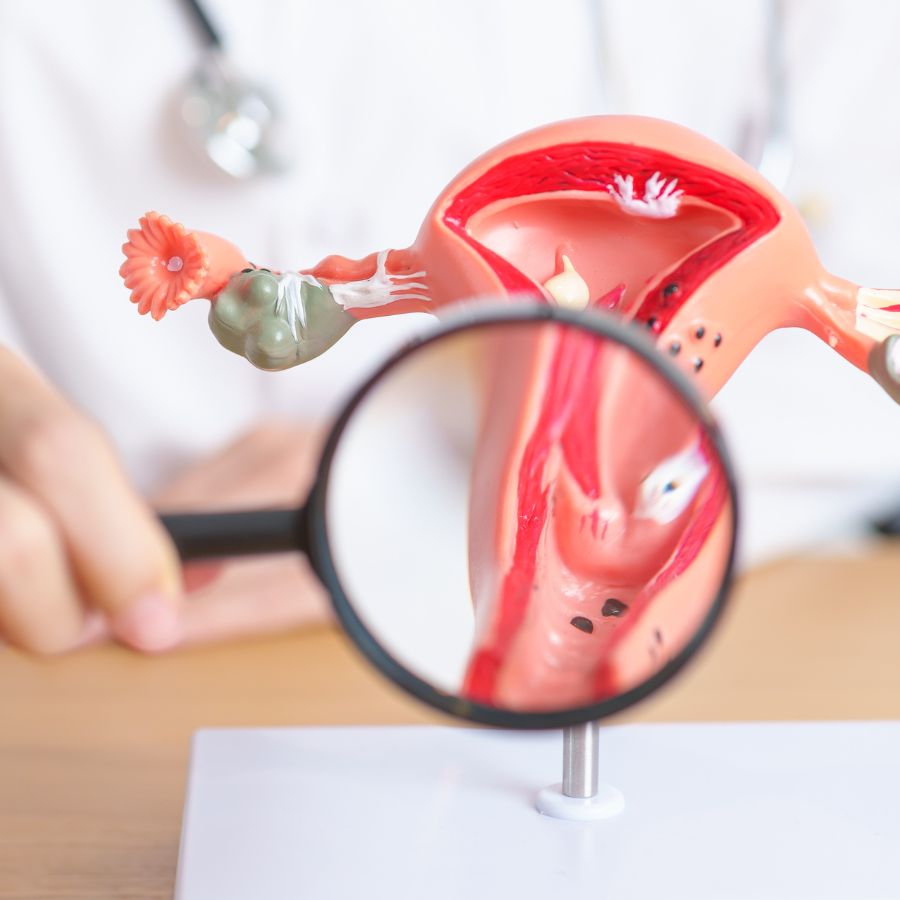
Uterine polyps are growths that develop on the inner lining of the uterus (endometrium). They are typically non-cancerous (benign) and often appear during the reproductive years.
These polyps vary in size, ranging from a few millimeters to several centimeters. While most uterine polyps are benign, some may contain cancerous cells, although this is rare.
Uterine polyps commonly manifest with several typical symptoms. These include irregular menstrual bleeding, such as heavy periods or bleeding between periods. Another significant indicator is bleeding occurring after menopause, which requires prompt medical attention.
These polyps can also contribute to infertility by making conception difficult. Some individuals may also experience pelvic pain or pressure, which can vary in intensity and duration. These symptoms underscore the importance of timely evaluation and management by healthcare professionals to address potential underlying issues associated with uterine polyps.
Several factors may increase the risk of developing uterine polyps, including:
While there is no guaranteed way to prevent uterine polyps, certain lifestyle choices and medical practices can help reduce your risk:
Use our online booking engine or book your appointment by giving us a call.
On the online booking engine select the “appointment type” you need.
You will be seen by one of our friendly doctors or trained clinicians.

Your doctor will ask about your medical history, symptoms (such as abnormal bleeding, heavy periods, or bleeding between periods), and any other relevant health issues. You may receive instructions to avoid certain activities, such as sexual intercourse, douching, or using tampons, for a day or two before the test.

During your examination, your healthcare provider may perform various diagnostic procedures tailored to your needs, such as a transvaginal ultrasound to image the uterus, hysterosonography using saline for clearer views, hysteroscopy for visual inspection with a lighted tube, or an endometrial biopsy to collect tissue for analysis.

Some tests, like hysteroscopy, can provide immediate visual results. However, a biopsy will require lab analysis, so results may take a few days. You might experience mild cramping or spotting after some procedures, such as hysterosonography or biopsy. Over-the-counter pain relievers can help manage discomfort. Your doctor will discuss the results with you and recommend next steps if polyps are detected.
Incorporated
in 1998
Experienced doctors & a professional team
Registration
not needed
Up-to-date with the latest treatments & testing
Strictly
confidential
Experienced doctors & a professional team
Affordable private
health care
Transparent fee structure with no hidden charges
We work with experienced consultants & healthcare professionals who have received positive feedback from our patients, and with whom we have established long-term relationships.
Latest Episode
Tune in to our podcast to explore the world of healthcare and learn from distinguished special guests. We cover everything from preventative measures to cutting-edge treatments so that you can stay informed and up-to-date on health-related things.
Polycystic Ovary Syndrome is a common endocrine disorder that affects people with ovaries, typically during their reproductive years.
Menopause is a natural biological process that marks the end of a woman’s reproductive years, typically occurring between ages 45
Learn about vaginal discharge: its role, what’s normal, and when to be concerned. Stay informed for optimal health.
Subscribe for latest updates & news